Via the doctor in the house, this video from James McCormack, Choosing Wisely: Could a little entertainment be what is missing from contemporary health education?
Read More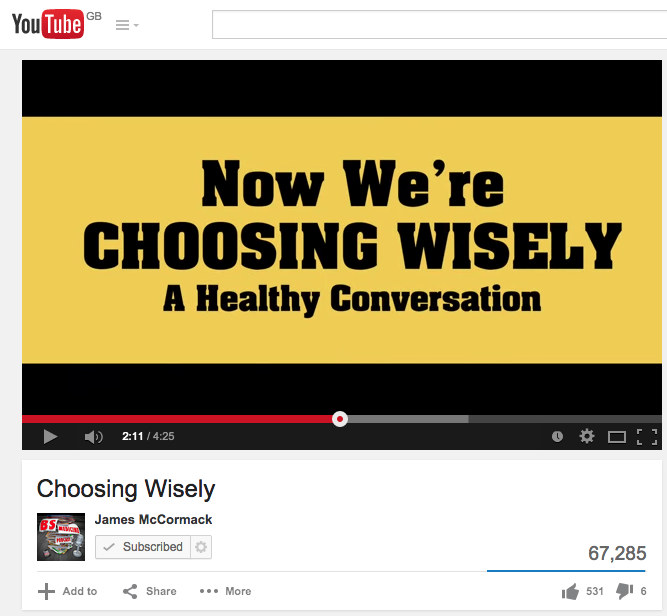
Via the doctor in the house, this video from James McCormack, Choosing Wisely: Could a little entertainment be what is missing from contemporary health education?
Read MoreVia the Bucks Free Press, my letter on freedom of expression and extremism: I was delighted that this year’s parade in High Wycombe to celebrate the birth of Muhammad once again demonstrated the friendship we enjoy in our Town. It was by all accounts a happy and successful occasion. I […]
Read MoreYesterday in the debate on the timetabling of the Data Retention and Investigatory Powers Bill, I said: Steve Baker (Wycombe) (Con): The subject of the Bill is of profound importance to members of the public who care about such matters, and no wonder because it is the paradigmatic example of the conflict […]
Read More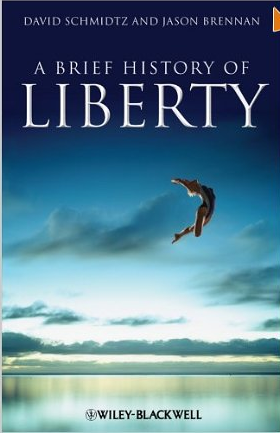
A Brief History of Liberty by David Schmidtz and Jason Brennan “provides a comprehensive, philosophically–informed portrait of the elusive nature of one of our most cherished ideals”. Each chapter begins with a thesis, comprises a lively, engaging and well-referenced discussion and concludes with questions to consider and comprehensive notes. The […]
Read MoreTwo years ago, I attended a two-day Liberty Fund conference on Magna Carta. Today, I was glad to join The Freedom Association to commemorate the 799th anniversary of Magna Carta at the memorial. Here’s an extended version of my speech: Seven hundred and ninety nine years ago today this place […]
Read MorePoliticians don’t care much about turnout. That’s why most politicians and commentators don’t talk about it. What politicians care about is winning. There’s plenty of news right now about a “UKIP earthquake“. The BBC reports UKIP gaining 30% in an area where they had not run before. They explain excitedly […]
Read MoreToday, the Commons will vote on whether to disagree with the Lords in their amendment to ban smoking in private vehicles in the presence of children. Anyone who can read knows that smoking kills. And I know, for it killed my stepfather and an uncle. Why anyone does it despite […]
Read More
Today, the European Union (Approvals) Bill returns to the Commons. It would approve an EU spending programme called Europe for Citizens. The last Europe for Citizens programme allowed British taxpayers’ money to be given to organisations promoting a federal European State, for that is its purpose: The aim of this programme is to […]
Read More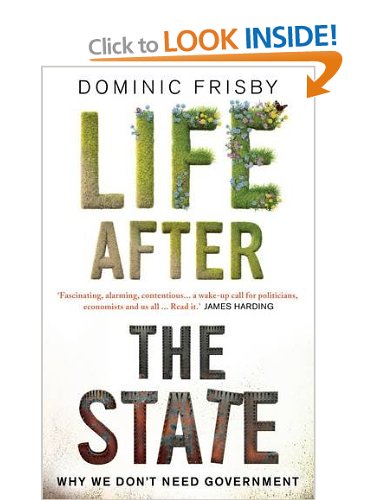
Dominic Frisby’s Life After the State catalogues the systematic failure of political power to meet people’s aspirations for it. From the book description: Have you ever had the nagging feeling that the problems the country faces are spiraling out of control, that the government has lost its way and that, […]
Read More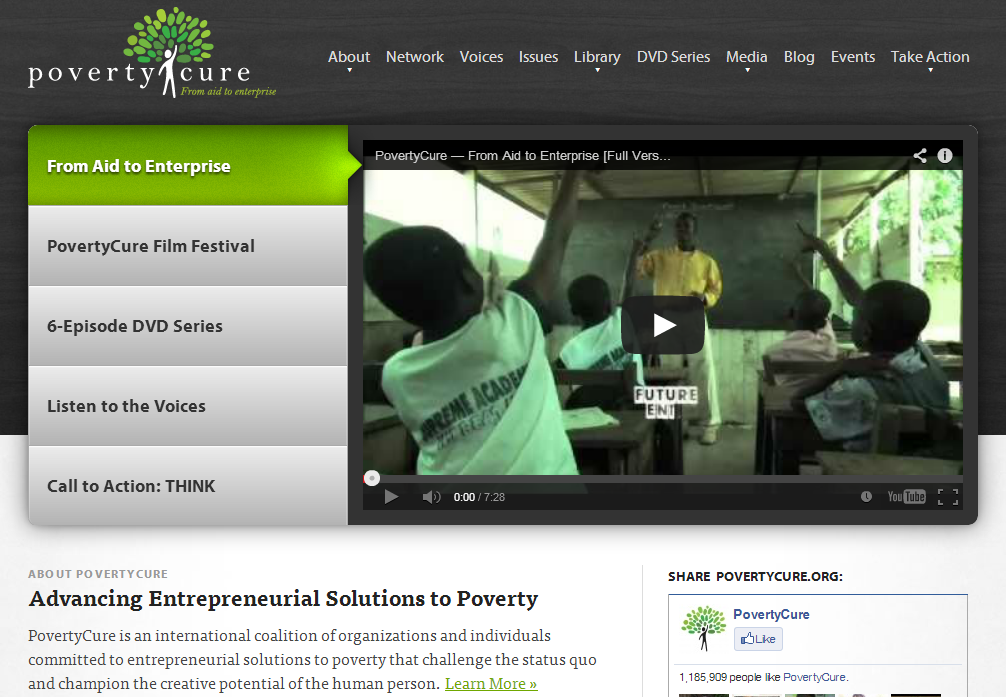
A fascinating video from PovertyCure on aid and enterprise: I particularly identified with: Having a heart for the poor isn’t hard. We have a mind for the poor. We will never reconcile all opinion about how to help the poor but there is far more unity than is generally believed over […]
Read More